Regional Female Students Convention 2023: The Femme-Power

About This Project
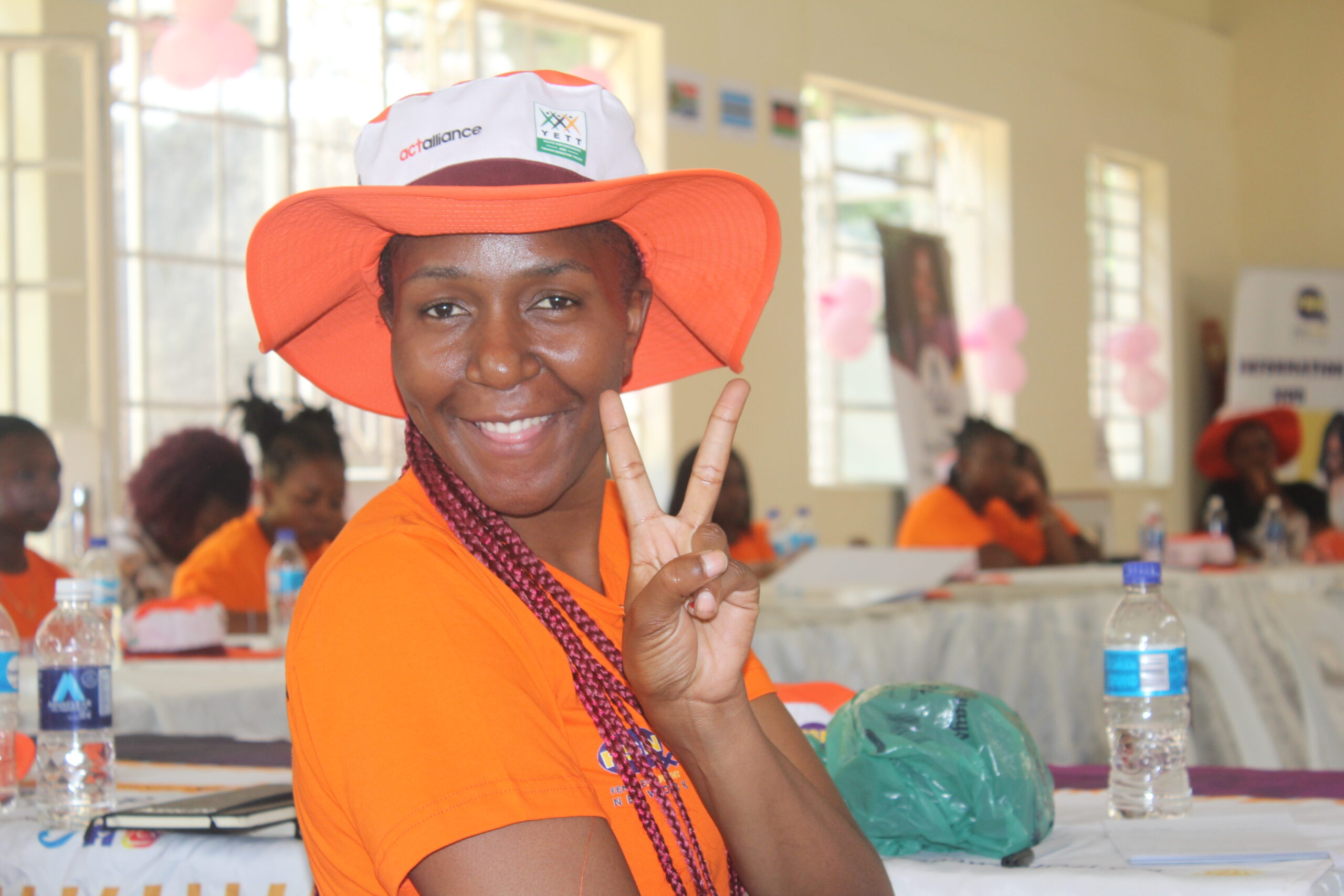
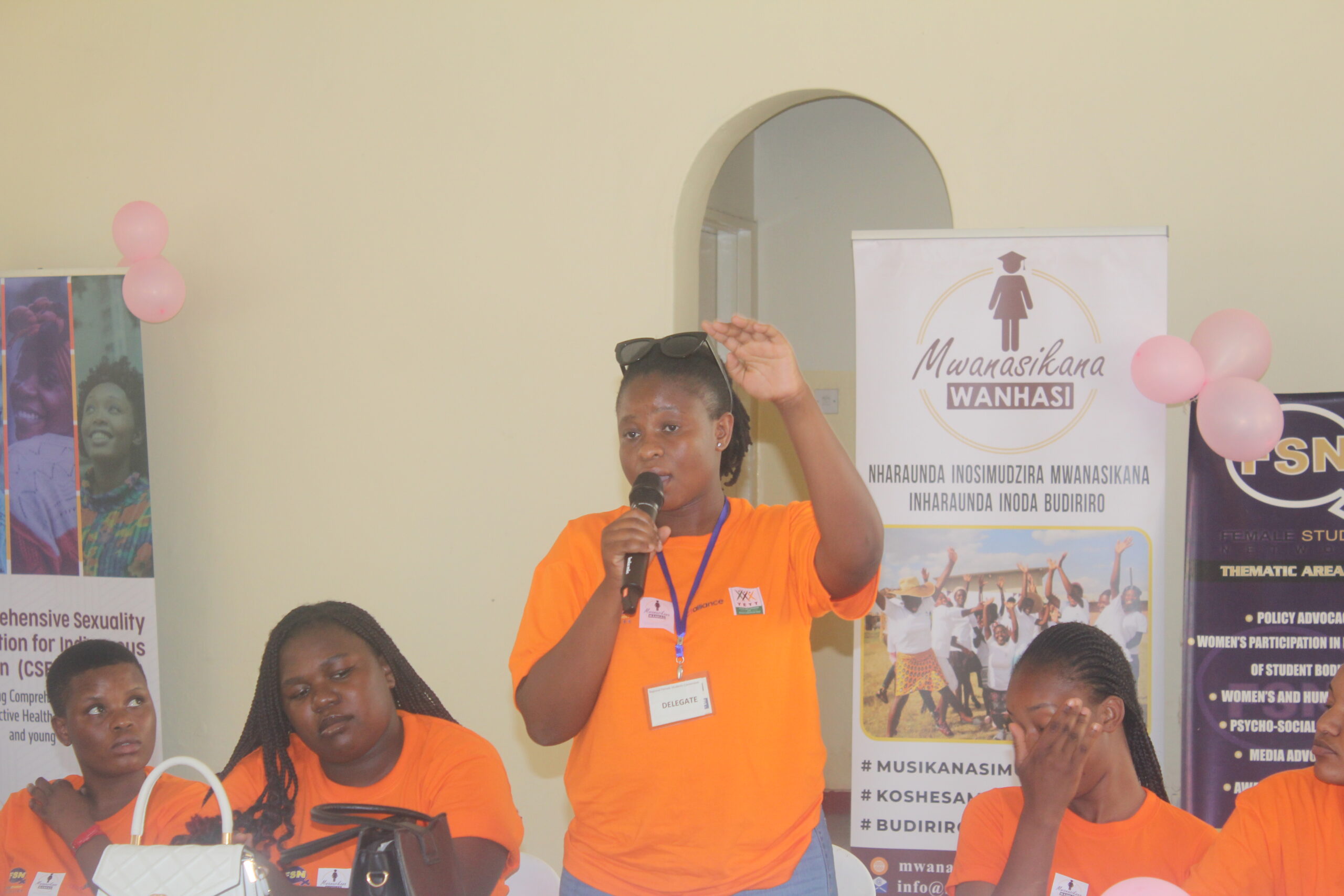
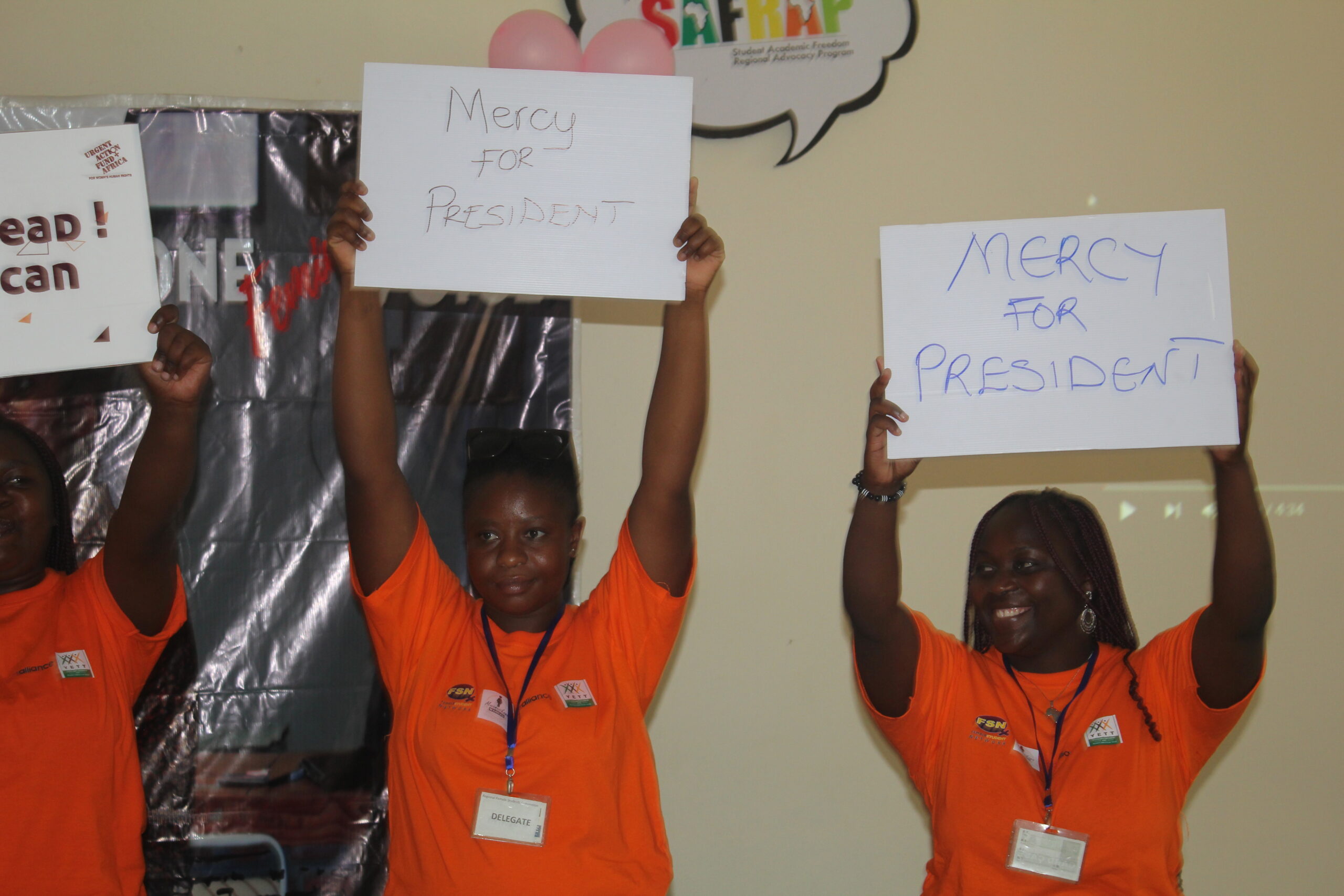
The Female Students Network Trust (FSNT) and Mwanasikana Wanhasi regional Female Students Convention 2023: Fem-Power is a build-on program from other conventions conducted in previous years such as the “Girl Power Convention” of 2013 and the “Female Students Leaders Convention” of 2016 among others. The intended convention is part of the partner organisation’s transformative agenda in which the feminist movement building is the centrepiece of the convention incorporating the idea that solidarity and support are key for the attainment of gender equality, gender justice, and women’s rights. The Convention will give female students a leading role in the crafting, execution, and evaluation of feminist orgnaisations’ pillars and goals, contrasting with growing the movement of female students through strengthening the alumni network.
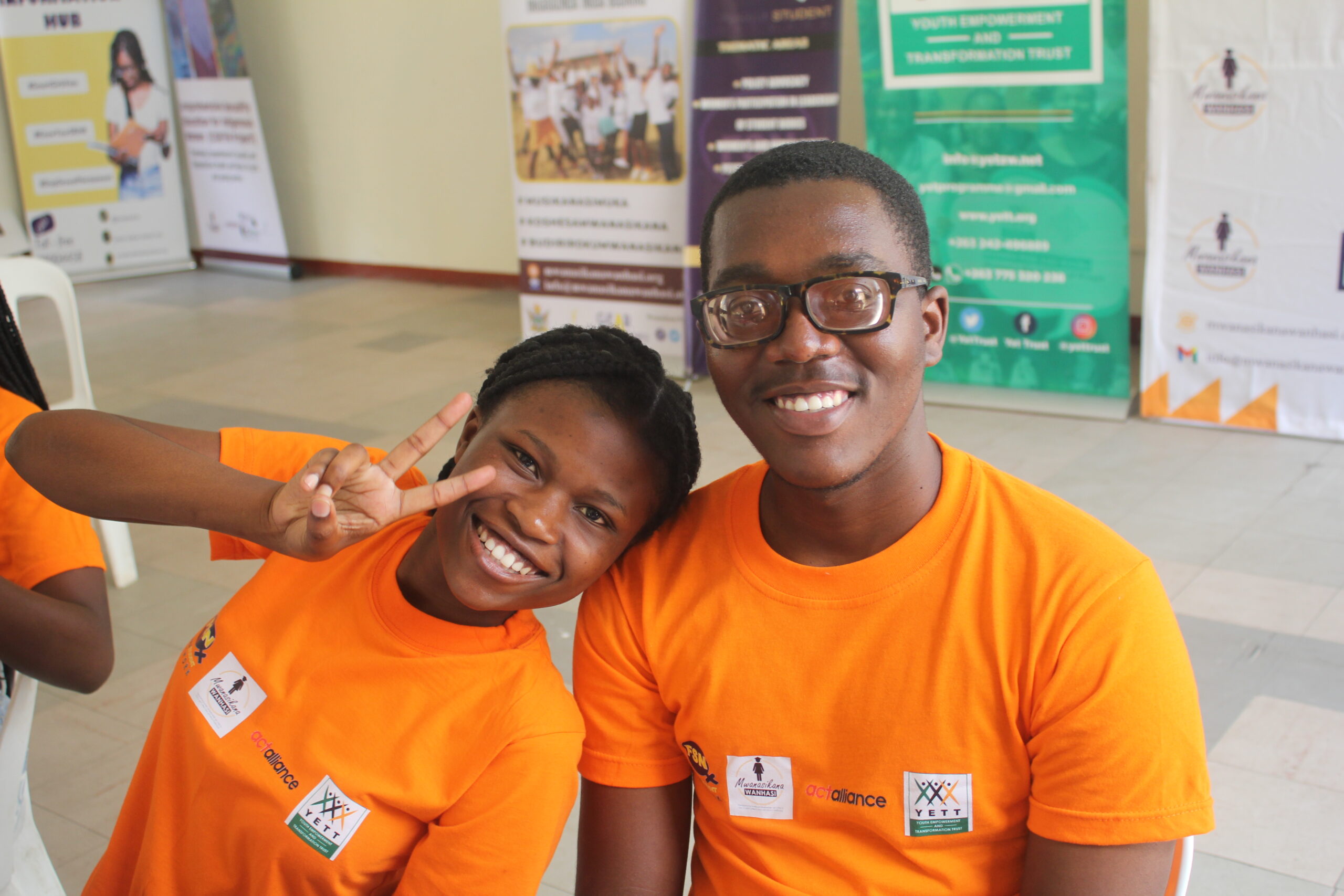
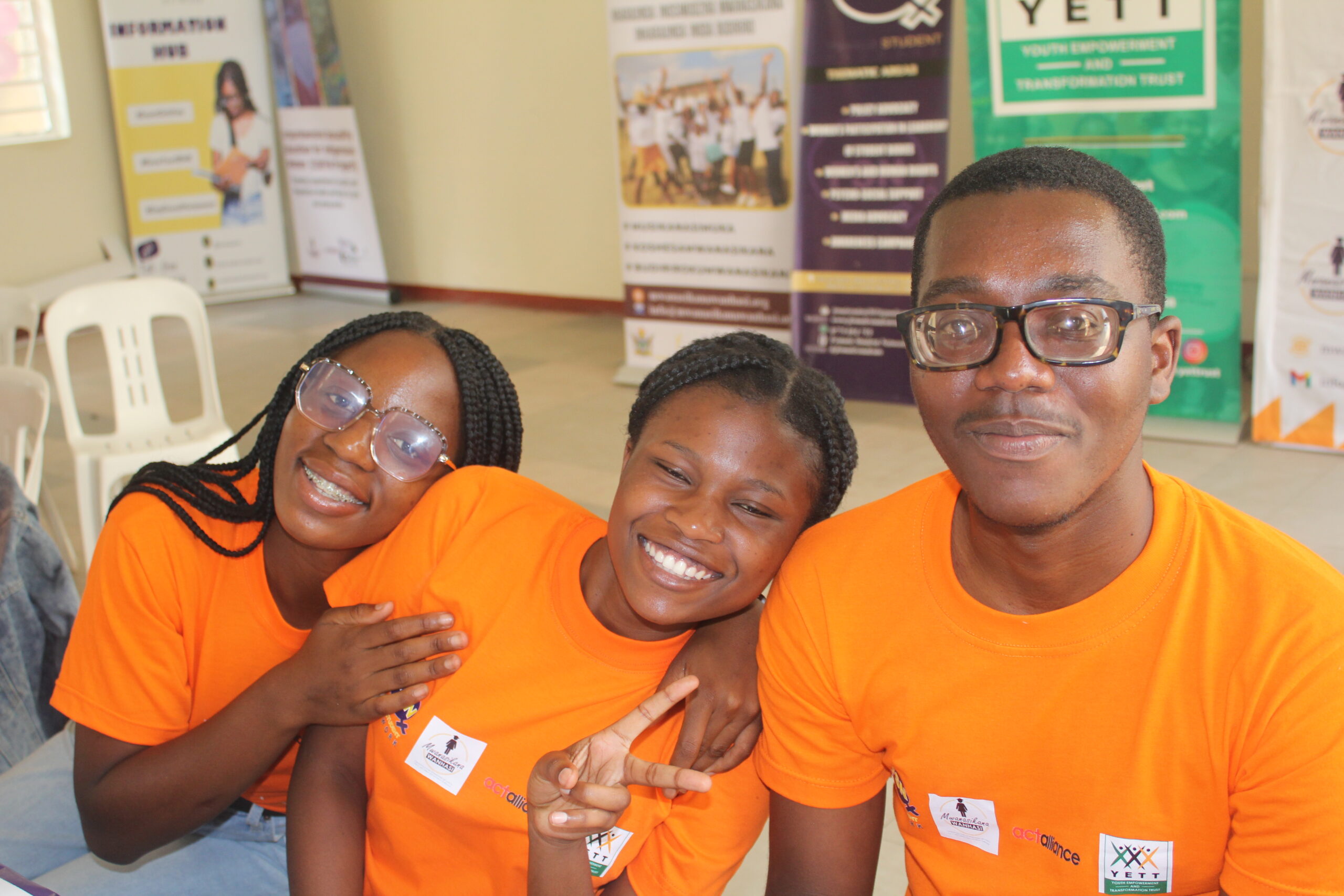
Furthermore, the concept of male engagement in feminist advocacy will be part of the agenda in which male students will be given a platform to converse with female students, share ideas, and take the pledge to support the feminist movement. This is premised on the UNWOMEN #HeForShe campaign launched in 2014 aimed at wooing men and boys to support women in their quest for gender equality. Women and Girls in Zimbabwe constitute the highest chunk of the entire population with the 2022 census indicating that there are 7,889,421 females against 7,289,558 men in Zimbabwe but patriarchal dominance remains a standing block to gender equality as men still hold critical positions in decision-making positions than women slowing the pace towards attaining vision 2030 and the Sustainable Development Goal (SDG) 5 which speaks of gender equality. This is a reflection of what is happening in the SADC region as well as African problems tend to be more similar.
Therefore, the regional convention seeks to give a platform to female students in Higher and Tertiary Institutions of Zimbabwe and Southern Africa where male supremacy, GBV, and abuse emanates from, to discuss ways and strategies to liberate themselves from the shackles of patriarchal bondage by involving male students who are deemed as perpetrators into the struggle for them to play a critical role of transforming the perceptions of fellow men towards women. A plethora of issues affecting female students in learning institutions will be unravelled and, in the end, formulate a feminist advocacy toolkit to be used from 2024 going forward.
Objectives
– To strengthen the regional feminist movement of tertiary students through male students’ engagement.
– To develop a comprehensive advocacy toolkit for best practices in advancing gender equality.
– To build knowledge and information dissemination on issues affecting female students on campus in the regional’s higher and tertiary institutions through media advocacy.